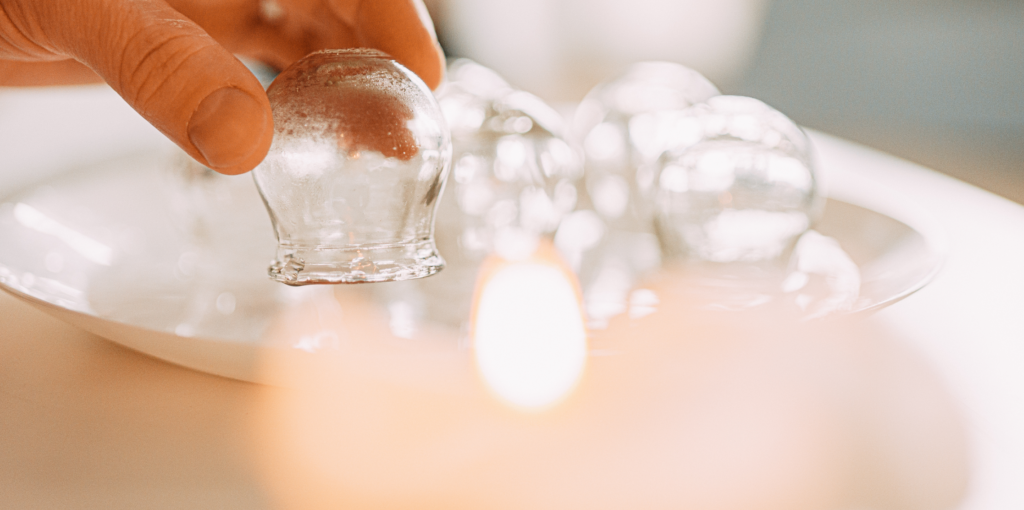
Chinese cupping, also known as cupping therapy, is an ancient technique that has endured across various cultures as an effective means of improving health and well-being. This alternative healing method, deeply rooted in traditional Chinese medicine, uses glass, silicone or bamboo cups to create suction on the skin, achieving benefits ranging from the reduction of muscle pain to improved blood circulation. Cupping therapy has gained renewed popularity in the field of alternative medicine and is widely used in spas, wellness centers and physiotherapy clinics around the world.
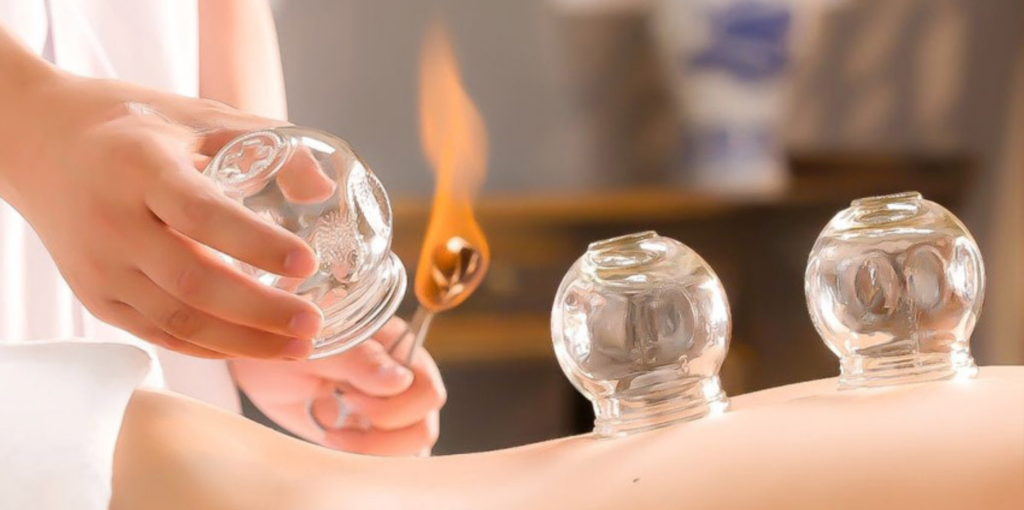
Cupping therapy, also known in the West as cup therapy, is based on the application of cups to specific areas of the body. Chinese cups can create a vacuum that draws the skin and underlying tissues into the cup, which, according to traditional Chinese medicine, helps release energy blockages and restore the balance of the flow of vital energy or “Qi”. This therapy is used to treat muscle pain, chronic fatigue, respiratory problems and nervous tension.
Cupping therapy is based on the principle of vacuum, which allows the skin and underlying tissues to be suctioned. This suction creates a mild inflammation that activates circulation and stimulates the lymphatic system. When the cups are placed, blood flow increases in the treated area, promoting tissue oxygenation and encouraging the elimination of toxins.
According to traditional Chinese medicine, cups help release blockages in the flow of Qi, promoting a state of physical and mental balance. In modern physiotherapy, cupping therapy is mainly used to relieve muscle pain and release tension, as well as to treat sports injuries or reduce stress and fatigue.
Nowadays, there are several types of cups used in cupping therapy, each with specific characteristics and different applications:
Depending on the needs of the treatment, the therapist may use stationary cups, which are placed on specific points and left for a few minutes, or sliding cups, in which the cups are moved slowly over the skin to massage and stimulate the tissues continuously.
Cupping therapy offers a number of benefits that have been documented by both traditional Chinese medicine and modern scientific studies. Some of the main benefits include:
During a cupping therapy session, the patient usually experiences a sensation of tension and warmth in the area where the cups are applied. This sensation may vary in intensity depending on the technique and the amount of suction applied. Most patients report a feeling of relief and relaxation at the end of the session. In some cases, circular marks may be noticed on the skin, which disappear within a few days.
To get the most out of the benefits of cupping therapy, it is advisable to follow a few guidelines before and after the treatment:
Cupping therapy, or Chinese cupping, is an effective and safe option for improving both physical health and emotional well-being. Thanks to its ability to relieve pain, improve circulation and reduce muscle tension, this technique has become a valuable tool for those seeking natural healing methods and alternatives to conventional treatments. At Spa Natural Center, we offer personalized cupping therapy sessions that you can easily book online. Discover how our techniques can help you achieve an optimal state of health and relaxation!
Book your Chinese cupping session today at Spa Natural Center and experience the benefits of this ancient therapeutic technique. Ideal for relieving tension, improving circulation and promoting deep relaxation, Chinese cupping is perfect for restoring the balance of your body and mind.
Sí, "cupping" es el término en inglés para la ventosaterapia o terapia de ventosas. Ambas palabras describen la misma técnica de aplicar ventosas en la piel para crear un vacío, lo que ayuda a mejorar la circulación y aliviar tensiones musculares. Aunque la palabra "cupping" se ha popularizado especialmente en el ámbito deportivo, se refiere al mismo tratamiento de origen en la medicina tradicional china.
Generalmente, no. La sensación durante el tratamiento suele ser de tensión y calor en la zona tratada, aunque algunas personas pueden sentir una ligera incomodidad al principio. En manos de un profesional, la terapia debería ser segura y cómoda.
Las marcas circulares que dejan las ventosas suelen desaparecer entre 3 y 10 días, dependiendo del tipo de piel y de la intensidad de la succión. Estas marcas no son hematomas; se deben a la acumulación de sangre en la superficie de la piel como resultado del vacío.
Los beneficios incluyen el alivio de dolores musculares, la mejora de la circulación, la reducción de la inflamación, el fortalecimiento del sistema inmunológico y la relajación general. También se ha utilizado en tratamientos estéticos para mejorar la apariencia de la piel y reducir la celulitis.
Sí, no es recomendable para personas con problemas de coagulación, aquellas que toman anticoagulantes, mujeres embarazadas o personas con heridas abiertas o piel irritada en la zona a tratar. Se recomienda siempre acudir a un profesional calificado para minimizar riesgos.
La cantidad de sesiones varía según los objetivos y necesidades de cada persona. Para algunos problemas musculares o de tensión, una sesión puede ofrecer alivio inmediato, mientras que otros beneficios, como la mejora de la circulación, pueden requerir sesiones regulares.